
Confined Space Safety Insights
News, insights, and analysis on OSHA 29 CFR 1926 Subpart AA, 1910.146 permit requirements, atmospheric testing, and rescue planning.
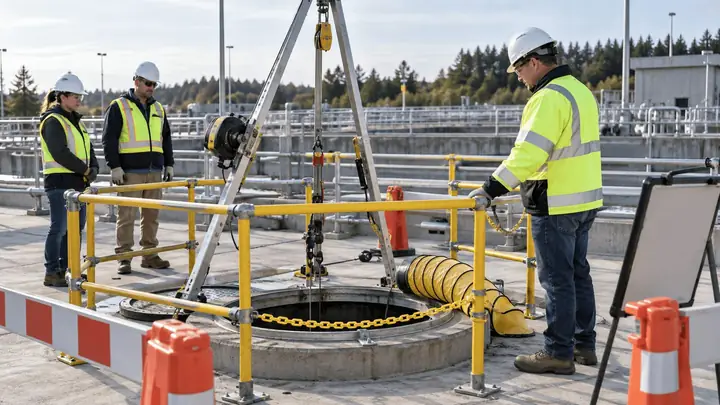
Confined Space Opening Controls: What Employers Should Check Before and During Entry
The opening to a confined space can expose entrants and nearby workers to traffic, falling objects, unauthorized access, and sudden changes outside.
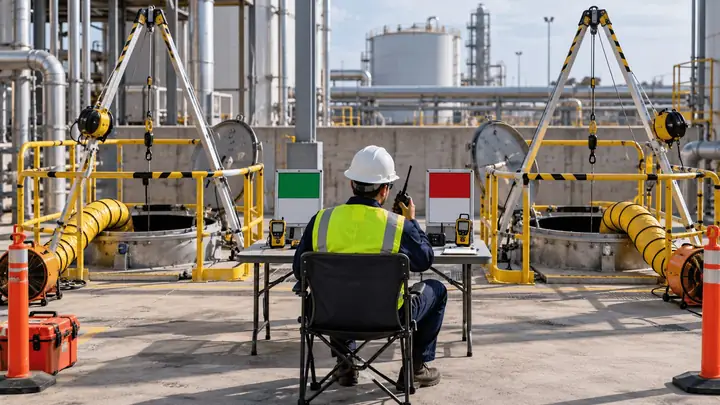
One Attendant for Multiple Confined Spaces: What Employers Should Verify Before Entry
Assigning one attendant to several permit spaces can be workable only when that person can fully protect every entrant without distraction or delay.
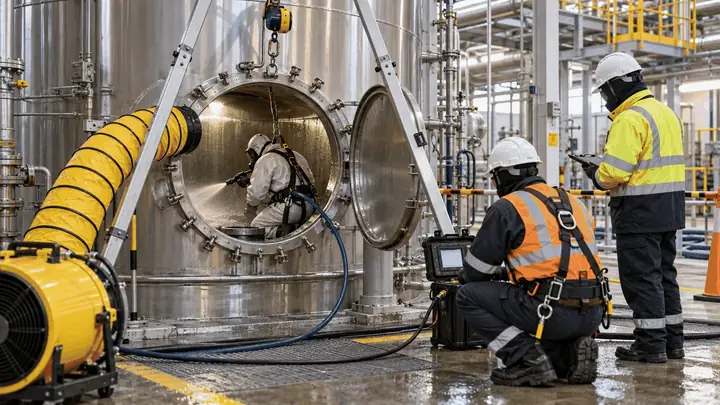
Confined Space Cleaning Hazards: What Entry Teams Should Reassess as the Work Changes
Cleaning inside a confined space can create new atmospheric, chemical, visibility, and movement hazards even after acceptable entry conditions are confirmed.
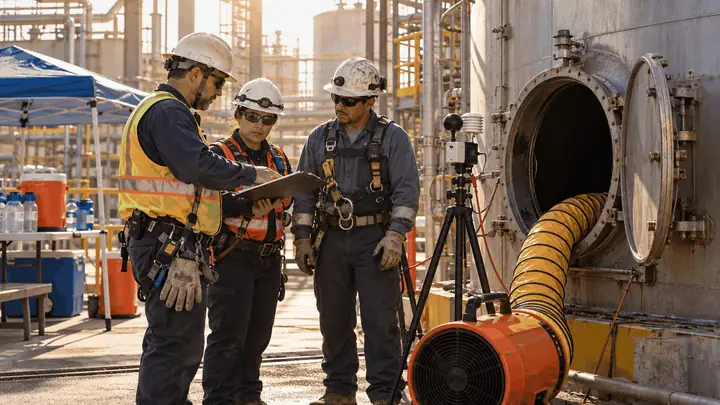
Heat Stress During Confined Space Entry: What Employers Should Plan Before Work Begins
Heat can become a confined space hazard when restricted airflow, strenuous work, protective clothing, and delayed exit combine during an entry. A tank, vault,…
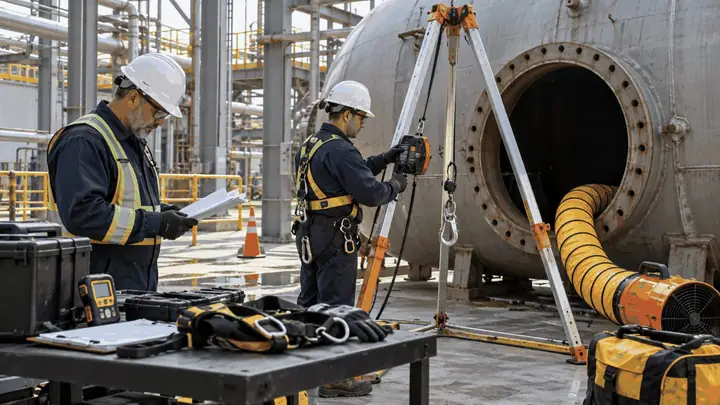
Confined Space Permit Closeout Reviews: What Employers Should Capture After Entry
Confined space work continues after the last entrant exits, because permit closeout preserves changes and improves the next entry decision.
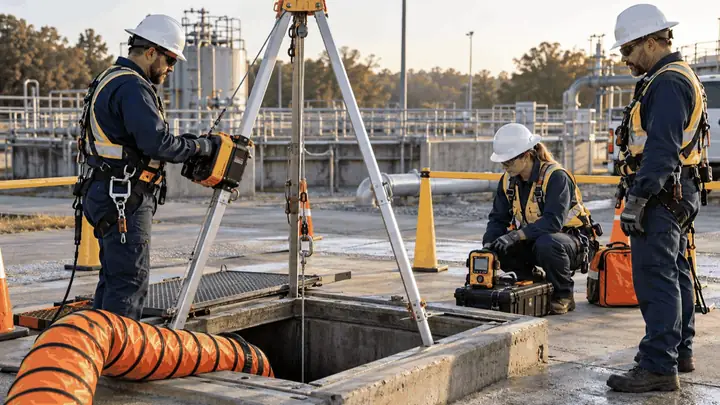
Confined Space Atmospheric Testing Logs: What Supervisors Should Review After Each Entry
An atmospheric testing log connects every confined space entry to readings, equipment checks, and supervisor decisions before the next crew returns.
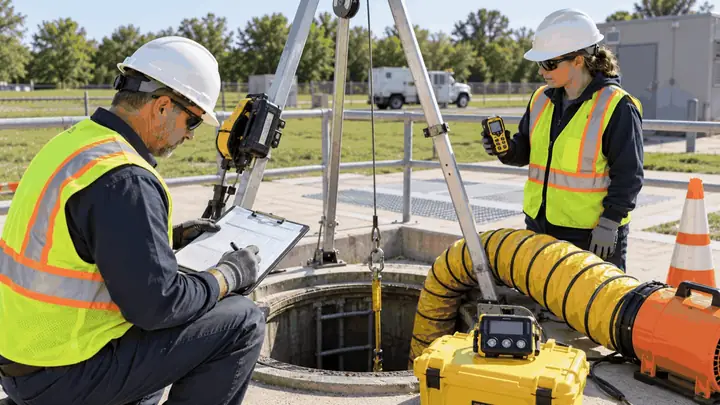
Confined Space Ventilation Plans: What Employers Should Verify Before Entry
Before ventilation starts, employers should verify the hazard source, airflow path, monitoring plan, communications, and response if the atmosphere changes.
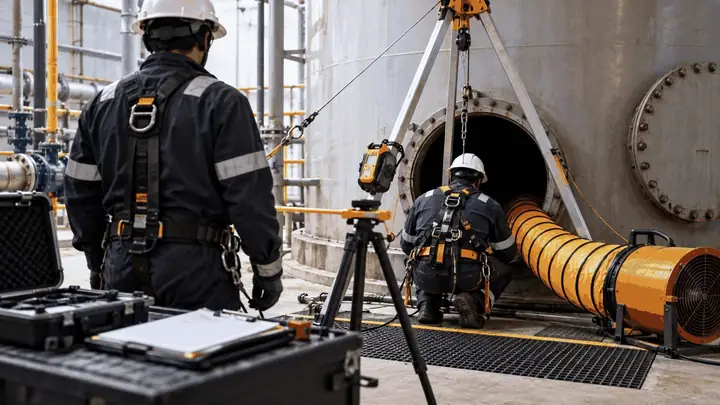
Confined Space Communication Failure: What Employers Should Test Before Entry Continues
When radios or visual contact fail during entry, employers need a tested communication plan that protects entrants, attendants, supervisors, and rescuers.
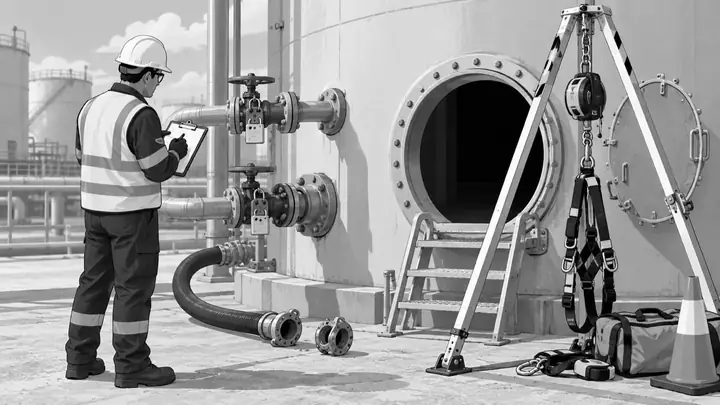
Confined Space Isolation Verification: What Employers Should Confirm Before Opening Tanks and Vessels
Before a tank, vessel, or vault is opened, employers should verify every energy and material source that could reintroduce danger during entry.
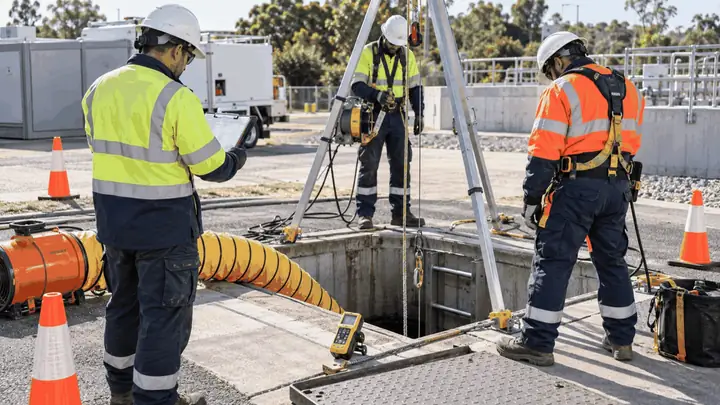
Confined Space Equipment Staging: What Supervisors Should Verify Before the Entry Team Arrives
Before a confined-space crew arrives, supervisors should verify that testing, ventilation, retrieval, communication, and rescue equipment fit the planned entry.
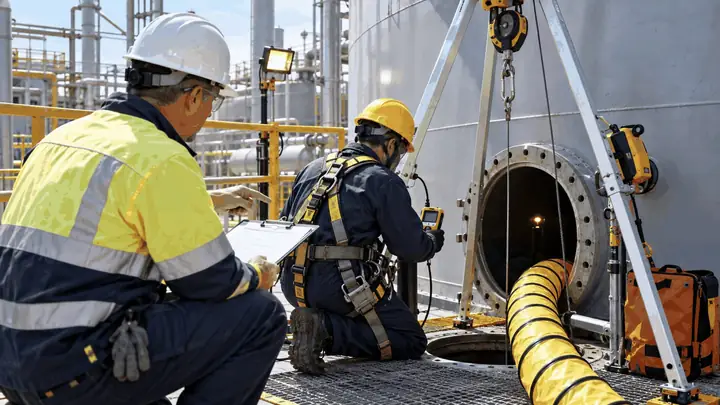
Confined Space Rescue Drill Records: What Employers Should Review Before the Next Entry
A rescue drill record helps employers test whether confined-space roles, equipment, and emergency communications work together before the next entry.
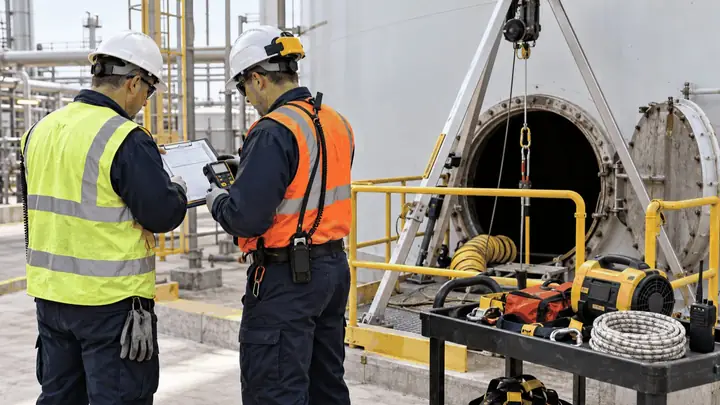
Confined Space Shift Handoffs: What Employers Should Record Before Entry Continues
Before a confined-space shift changes, the next supervisor should confirm current hazards, permit status, readings, equipment, and rescue readiness.
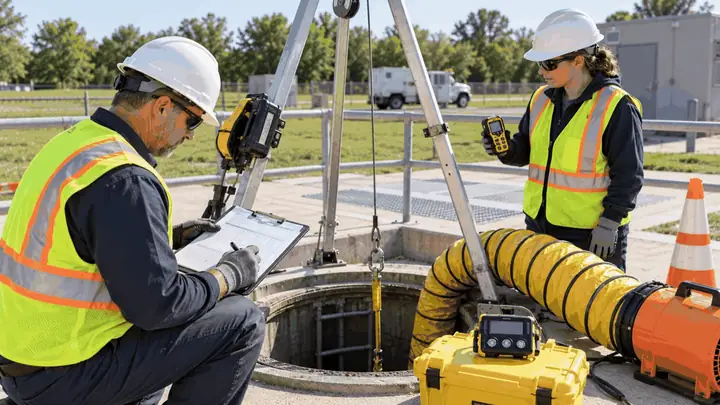
Confined Space Atmospheric Testing Logs: What Employers Should Review Before Entry
Confined-space atmospheric testing logs help employers verify that pre-entry tests, continuous monitoring, alarms, and responses match the actual entry plan.
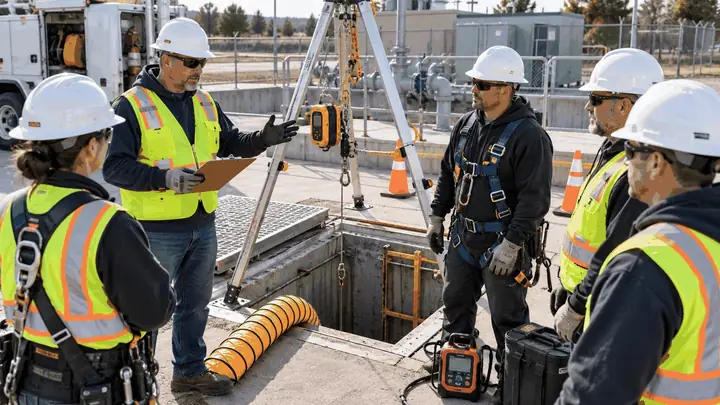
Confined Space Entry Permit Briefings: What Supervisors Should Confirm With Every Shift
Every confined-space shift change should confirm hazards, permit status, roles, controls, and rescue readiness before the next worker crosses the opening.
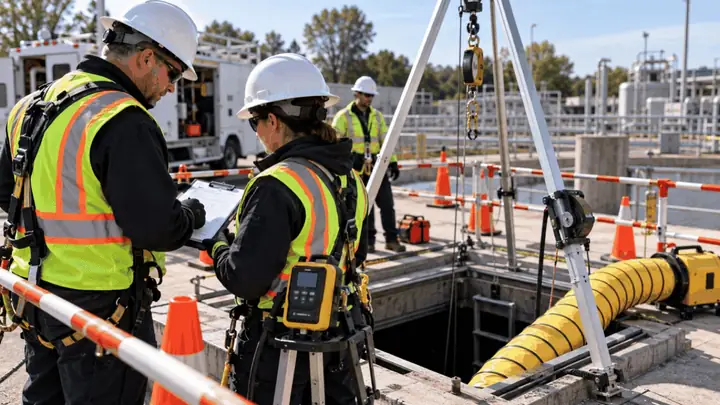
Confined Space Training for Multi-Employer Entries: Who Must Coordinate Before Work
Multi-employer confined space work requires employers to coordinate roles, hazards, permits, communications, and rescue before entry begins.

Permit-Required Confined Space Reclassification: What Employers Should Document Before Changing Entry Status
Before an employer changes a confined space from permit-required to non-permit status, the employer should document why the hazards are eliminated and how that…
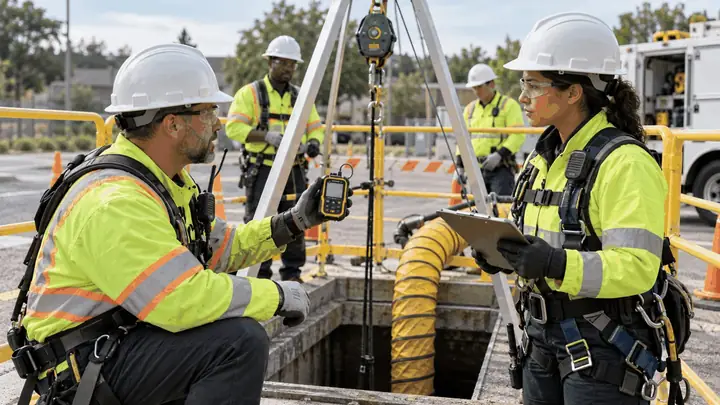
Confined Space Training Handoffs: What Employers Should Test Before Work Starts
Before confined space work starts, employers should test whether every role can exchange critical information when conditions or responsibilities change. The…
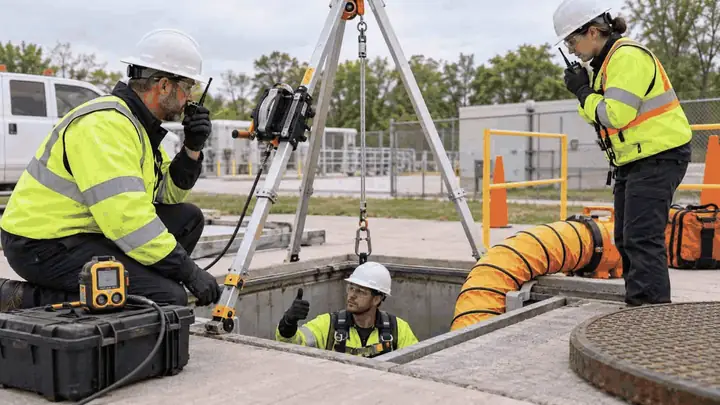
Confined Space Entry Communications: What Employers Should Test Before the First Shift
A tested communication plan helps confined-space crews exchange clear messages before entry, during work, and when a hazard or alarm changes conditions. The…
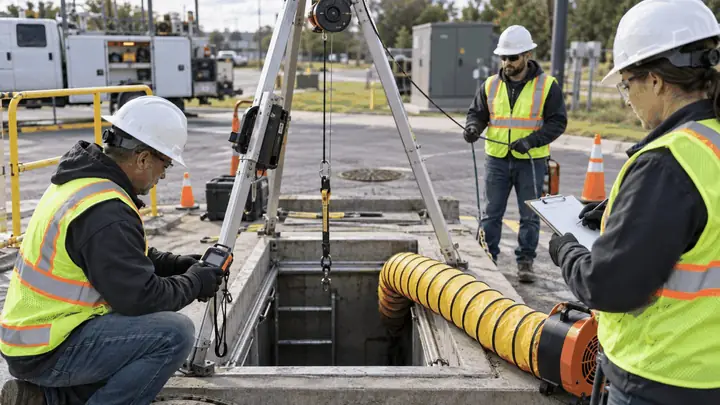
Confined Space Training for Ventilation Failure: What Teams Should Do When Conditions Change During Entry
When ventilation fails during confined space entry, crews must protect entrants, direct the attendant, and give supervisors authority to stop work.
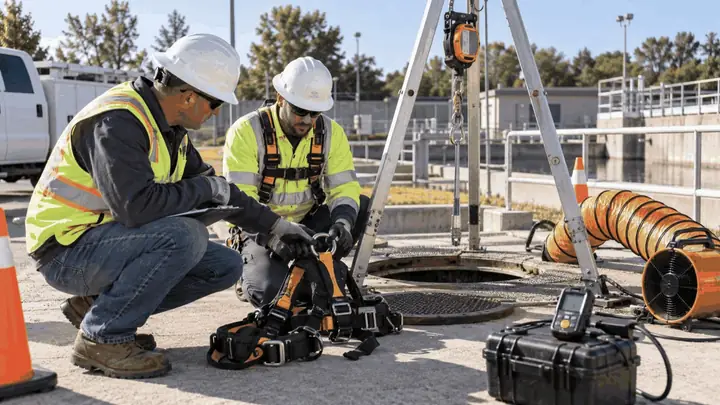
Confined Space Entry Equipment Checks: What Employers Should Verify Before Dispatch
Before dispatch, employers should verify that confined-space entry, testing, ventilation, communication, and rescue equipment match the space and hazards.
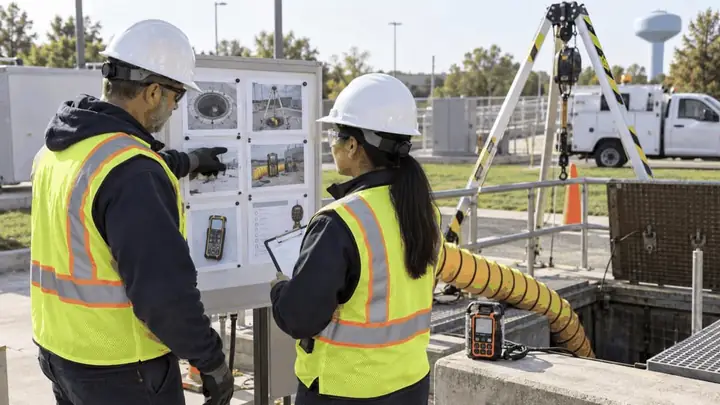
Confined Space Program Audits: What Employers Should Sample Beyond Training Certificates
A confined space program audit should test permits, atmospheric records, rescue readiness, role performance, and corrective actions, not just confirm that…
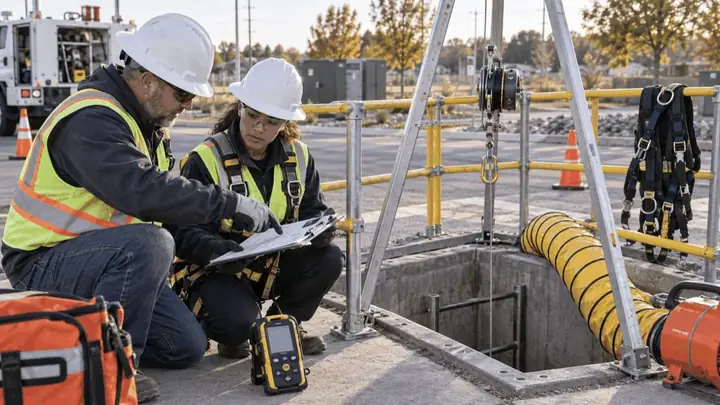
Confined Space Training After an Entry: How Employers Should Review Permits and Near Misses
Post-entry confined space reviews help employers turn permit notes, worker feedback, and near misses into safer procedures and better training before the next…
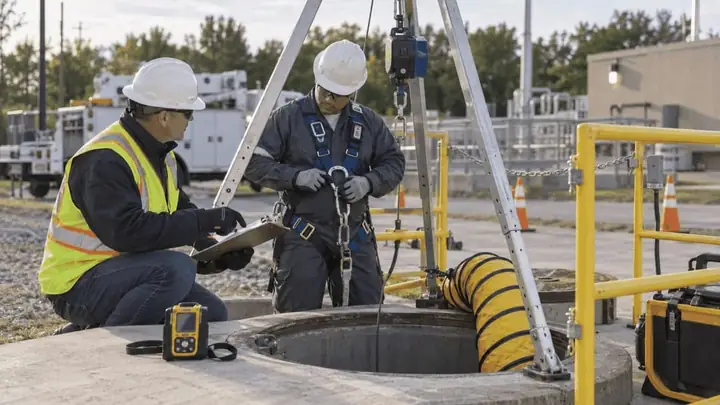
Confined Space Training for Attendants: Why the Role Requires More Than Watching the Opening
Attendant training helps employers prepare the person outside a confined space to monitor entrants, recognize changing conditions, communicate clearly, and…
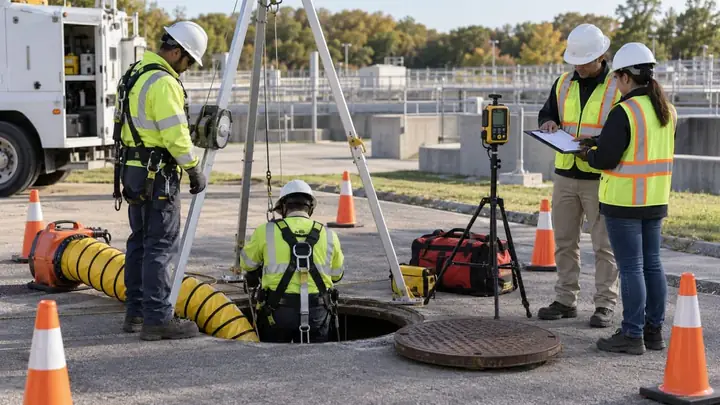
Rescue Planning Before Confined Space Entry: Training Supervisors to Prepare Beyond the Permit
Employers often search for confined space training after realizing that a permit form does not answer the hardest entry question: what happens if something…
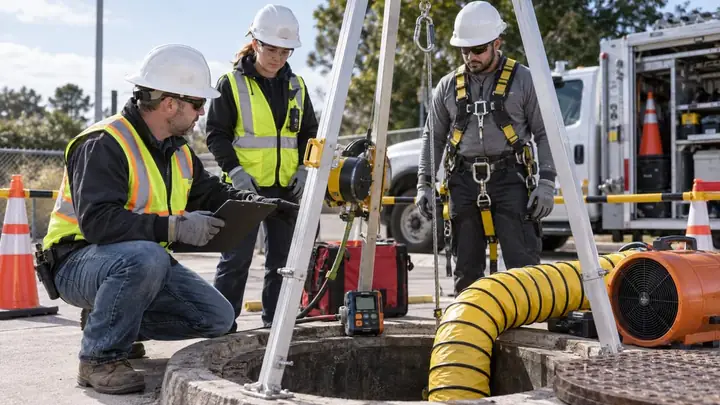
Confined Space Training for Contractors Working Inside Active Facilities
Contractors who enter tanks, pits, vaults, crawl spaces, process areas, utility rooms, and other limited-access spaces inside active facilities often face a…
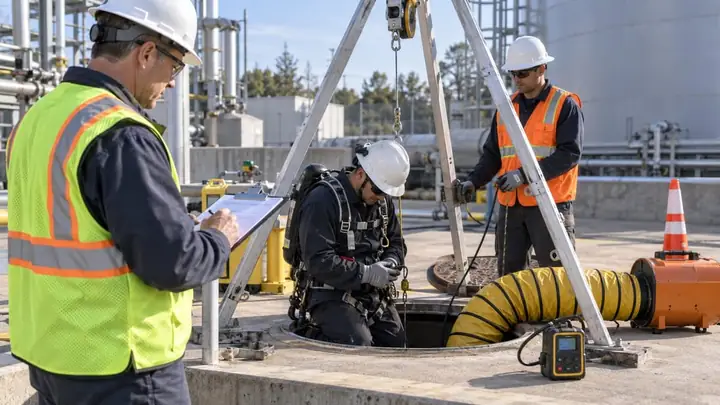
Continuous Monitoring for Confined Space Entry: Training Crews Beyond the First Gas Test
Many employers understand that a confined space atmosphere should be tested before entry. The harder question is what happens after the first reading looks…
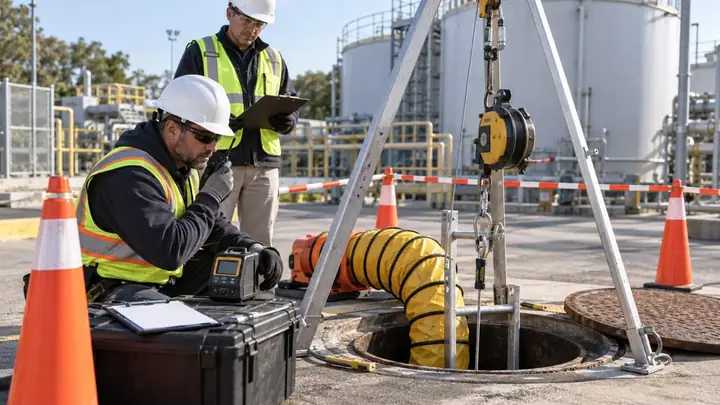
Attendant Ready: Confined Space Training for the Worker Outside the Opening
Employers often search for confined space training because they know entrants need instruction before going inside a tank, vault, pit, manhole, or process…
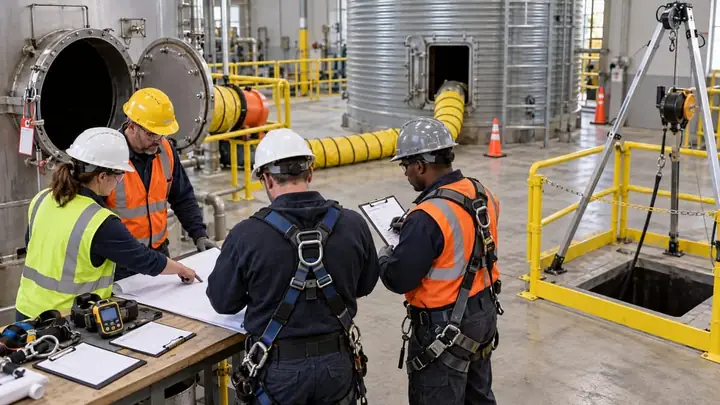
Hazard Inventory First: Confined Space Training Before Tanks, Bins, and Silos Are Assigned
What confined space training should employers choose when tanks, bins, silos, hoppers, pits, vaults, and process vessels are scattered across a facility or…
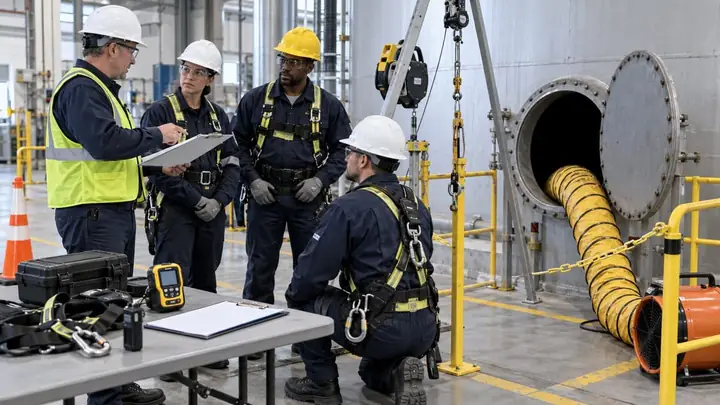
Entry Supervisor Ready Check: Confined Space Training Before the Permit Is Signed
What training should an entry supervisor complete before signing a confined space permit, and what should the employer verify before allowing the job to begin?…
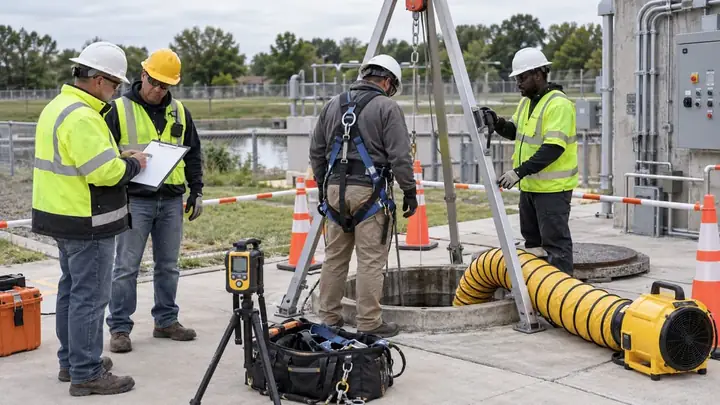
Wet Wells and Lift Stations: Confined Space Training for Public Works Crews
Public works directors, utility supervisors, wastewater operators, and safety managers often search for confined space training when crews are assigned to wet…
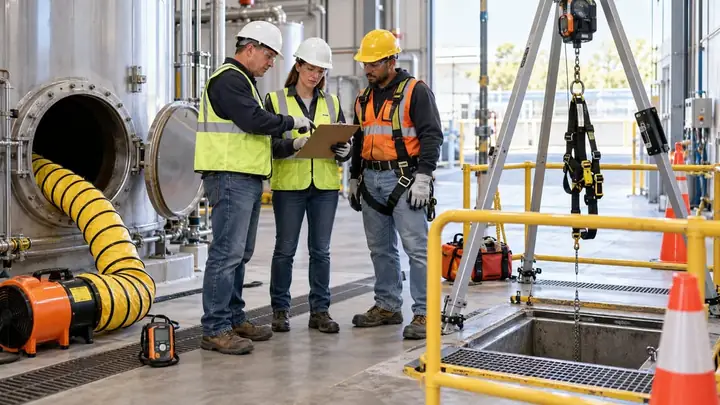
Facility Managers and Contractors: Confined Space Training for Recurring Callouts
Facility managers, maintenance leaders, and contractor coordinators often need to know which confined space training applies when the same building, plant,…
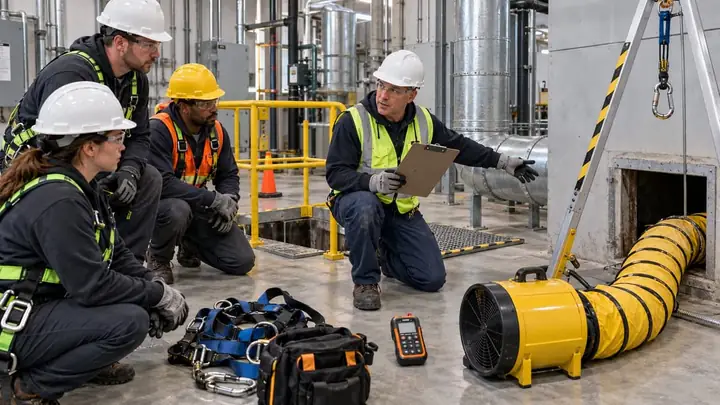
Crawl Spaces, Pits, and Utility Chases: Confined Space Training for Overlooked Maintenance Work
Employers often ask whether confined space training is really needed when the work does not look like a dramatic tank entry, sewer job, or industrial rescue…
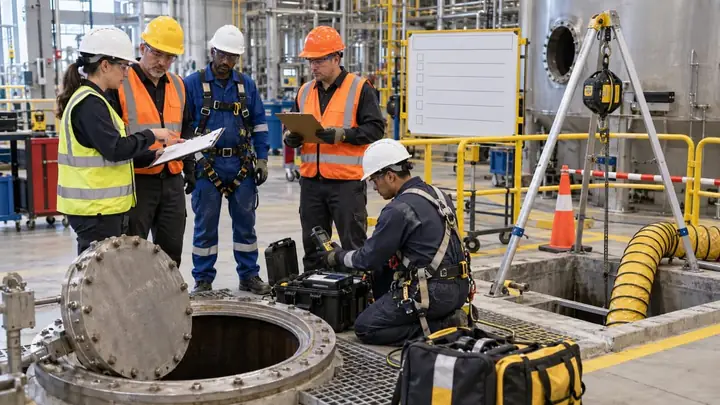
Maintenance Shutdowns: Confined Space Training Before Tanks, Pits, and Vessels Open
Employers planning a maintenance shutdown often ask which confined space training workers need before tanks, pits, sumps, process vessels, ductwork, vaults, or…
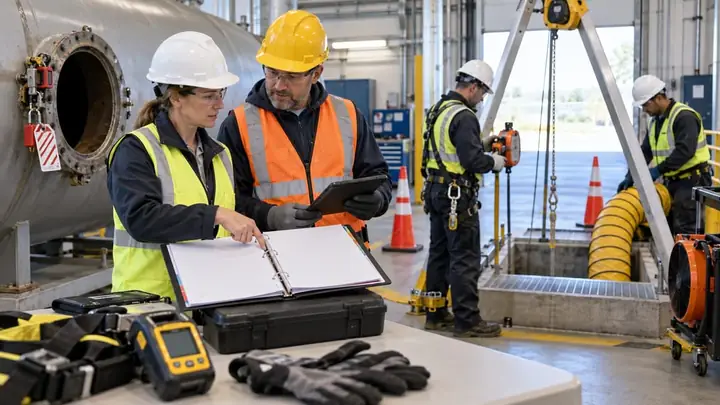
Training Records and Refreshers: Proving Confined Space Readiness Before the Audit
How should an employer organize confined space training records, refresher decisions, and role assignments so the company can prove workers are ready before a…
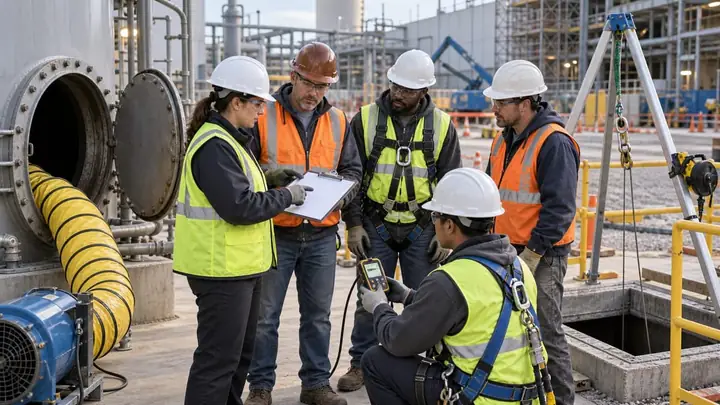
Construction or General Industry: Choosing Confined Space Training When Work Crosses the Line
Safety managers often ask which confined space course fits when the same crew works in a plant one week, supports a shutdown the next week, and then helps a…
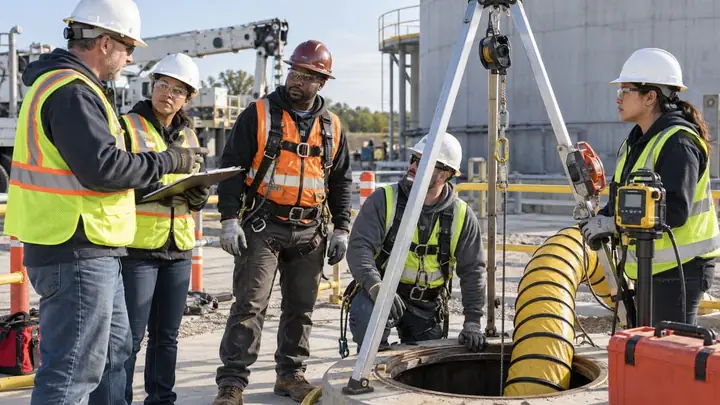
Host, Controlling, and Entry Employers: Confined Space Training for Multi-Employer Jobsites
Safety managers and contractors often ask who needs confined space training when several employers share the same construction site. The practical question is…
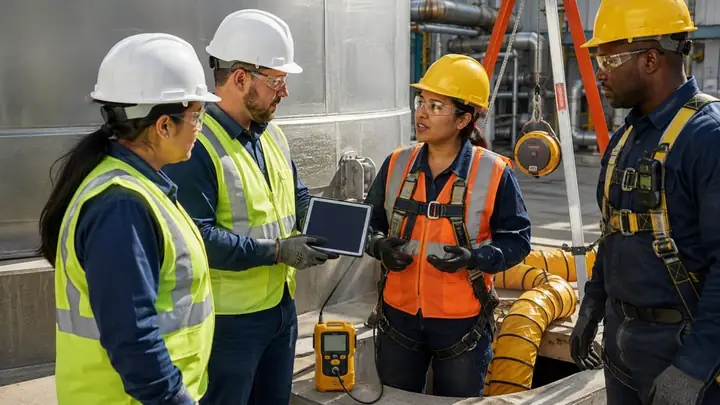
English and Spanish Access: Choosing Confined Space Training for Mixed-Language Crews
Employers with English and Spanish speaking workers often ask whether confined space training should be assigned by language, by job title, or by the specific…
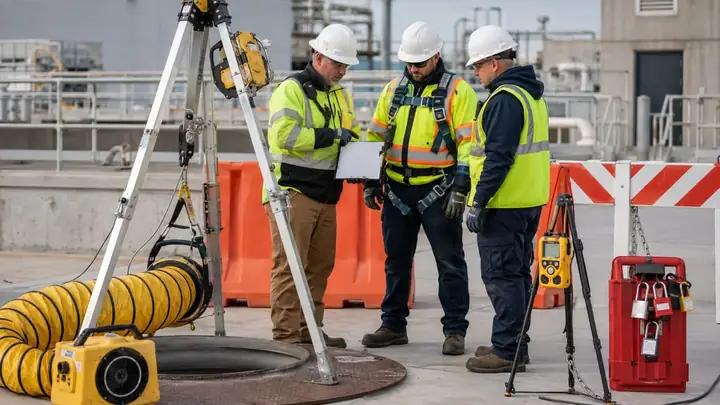
Rescue and Retrieval Planning: Choosing Confined Space Training Before Entry Day
What confined space training should an employer choose when the job involves retrieval equipment, rescue planning, or a permit-required space, and why does…
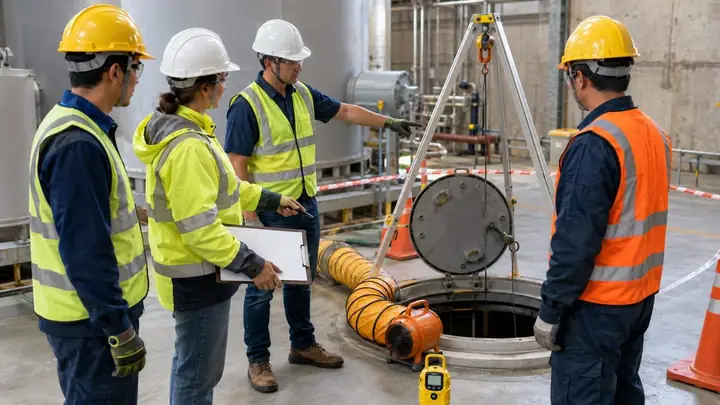
Permit or Non-Permit: Training Managers to Classify Confined Spaces Before Work Begins
How should employers decide whether a confined space is permit-required or non-permit before assigning training, and why does that classification matter before…
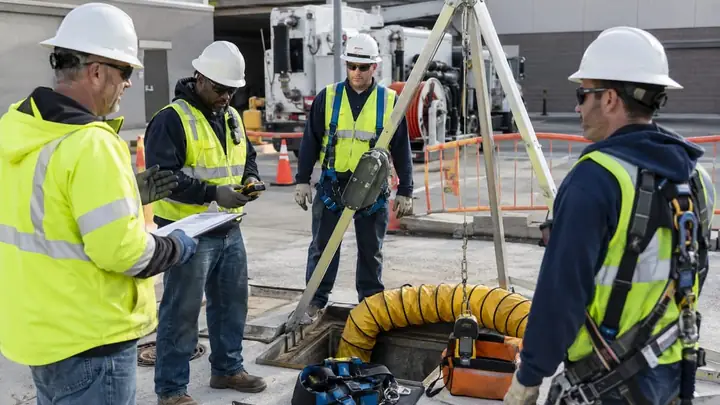
Utility Vault and Manhole Crews: Choosing the Right Confined Space Training Before Dispatch
Which confined space course should employers choose for utility vault and manhole crews, and why does the answer depend on each worker's assigned duty before…
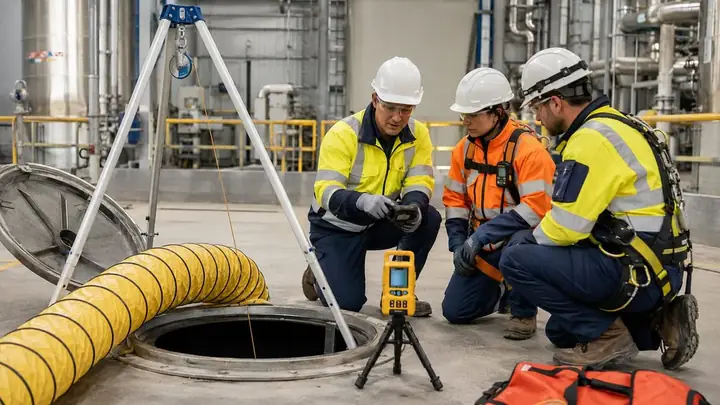
Before Anyone Enters: Training Crews to Test, Ventilate, and Monitor Confined Spaces
Which confined space training should employers choose when workers need to test the atmosphere, use ventilation, and keep monitoring conditions during entry,…
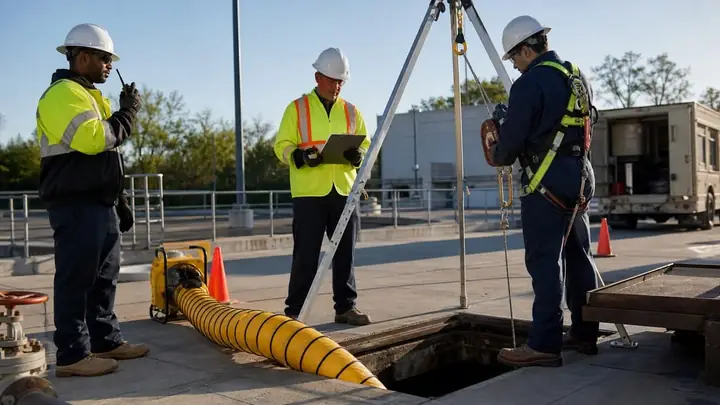
When One Worker Wears Two Hats: A Confined Space Training Matrix for Small Crews
Small employers, municipal departments, maintenance teams, and specialty contractors often ask whether one trained employee can fill more than one confined…
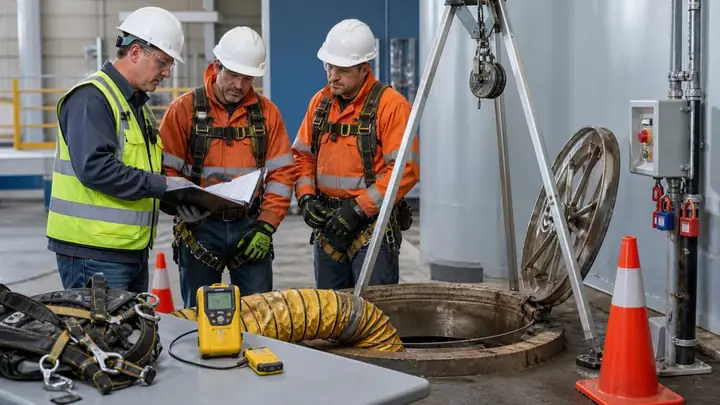
After the Certificate: What Employers Must Do Before Confined Space Entry
Employers often ask what to do after workers finish an online confined space course and receive a certificate of completion. The practical question is not…